
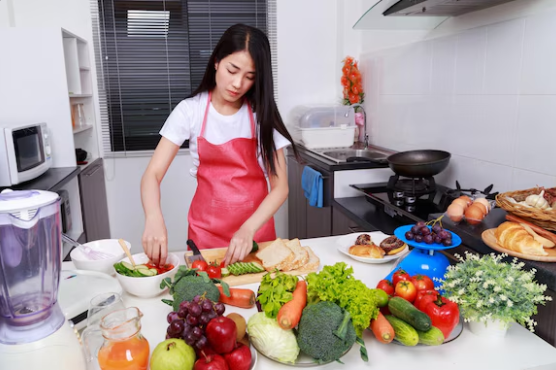
When a maid joins your household, one of the most important things to clarify early is food-related expectations. This includes not only your family’s dietary habits, but also kitchen rules, allergies, religious restrictions, as well as your maid’s own preferences.
Clear expectations prevent misunderstandings, respect everyone’s comfort, and help build a healthy working relationship. Here’s how to handle food and dietary preferences with your new maid.
How to Handle Food and Dietary Preferences with Your New Maid

1. Start with an Open Conversation
Start with a friendly conversation. Communicate what your family typically eats, including meal timings, any special instructions (e.g., kids’ meals, low-salt, diabetic-friendly), and any strict restrictions (e.g., vegetarian-only zones, no beef, no alcohol, no pork).
When explaining instructions or restrictions, give real examples like “The children eat at 6 PM” or “We prefer less oil in beef.” Encourage your maid to ask questions if there is anything she doesn’t understand.
2. Ask About Her Dietary Preferences
How to handle food and dietary preferences with your new maid? Take your maid’s preferences into account. Indeed, her preferences matter too. She may avoid certain foods or have allergies that you’re not aware of. Respecting her preferences not only builds trust but also helps her feel valued.
Discuss how her meals will be arranged. Ask questions such as
- Are there foods she cannot cook?
- Will she eat the same food as the family?
- Does she need separate cooking arrangements?
These will prevent misunderstandings in the future.
3. Demonstrate Recipes and Cooking Style
Even if your new maid is experienced, every household has its own way of cooking. Hands-on demonstration is much better than verbal instruction alone. Show her what you consider the ideal taste, what ingredients to use, how to prepare signature dishes, portion sizes, and presentation.
4. Provide Written Guidelines
While demonstration is certainly helpful, it might not be possible to give it every time. In that case, you can provide your maid with written guidelines. Make a list that includes
- Family meal schedule
- Daily/weekly menu ideas
- Allowed and not allowed ingredients
- Rules for leftovers
- Food hygiene practices
She can use written guidelines as a reference she can rely on.
5. Set Kitchen Rules Clearly
How to handle food and dietary preferences with your new maid? One of the most important things to do is to outline household kitchen rules. Be as clear as possible. Set rules for food storage instructions, separate chopping boards for meat and vegetables, cleaning rules after cooking, use of appliances, etc.
6. Talk about Hygiene Expectations
Food hygiene is non-negotiable. Clarify standards such as
- Keeping nails trimmed
- Washing hands before cooking
- Washing vegetables
- Storing leftovers
7. Be Patient
Every maid needs time to adjust to a new household. Yes, even if your new maid is experienced. Expect small mistakes in the first few weeks. Offer gentle correction, not criticism. Be patient while she learns.
8. Offer Feedback and Encourage Open Communication
Schedule weekly check-ins. Talk about what’s going well, what needs improvement, and any new preferences or dietary changes. Also, encourage her to tell you if a task is unclear or if she is uncomfortable preparing certain foods.
Also read: How to Manage a Smooth Transition when Changing Maids
FAQs Handle Food and Dietary Preferences with Your New Maid
Should I let my maid eat the same food the family eats?
This depends on your personal preference. Some families share meals while others provide separate food allowances. Choose what works best.
What if my maid has religious restrictions or allergies?
Always respect these. They are necessities, not preferences. Make adjustments when needed because safety and dignity come first.
What if my maid cannot cook the dishes my family prefers?
Train her gradually. Start with simple recipes, provide written guidance, and offer demonstrations.
What if my maid uses too much salt, oil, or spices?
Show her portions visually or give specific measurements. Demonstration is much better than verbal instructions.
Conclusion
That’s how to handle food and dietary preferences with your new maid. Be clear from the beginning and encourage open communication. Most importantly, be patient and respect your maid’s preferences. Give her time to adjust to your household’s food-related expectations.
Finding a maid is easy. Finding the right maid who meets your requirements is not. At Status Maids | Best Maid Agency in Singapore, we strive to provide families with the best candidates according to their unique needs.
We are a trusted International Plaza maid agency with years of experience. Our services include direct hiring, maid transfer, paperwork, and more. If you need maid-related services, reach out to our friendly staff at Status Maids.
Also read: How to Create a Fair and Effective Daily Schedule for Your Maid